A growing and serious problem.
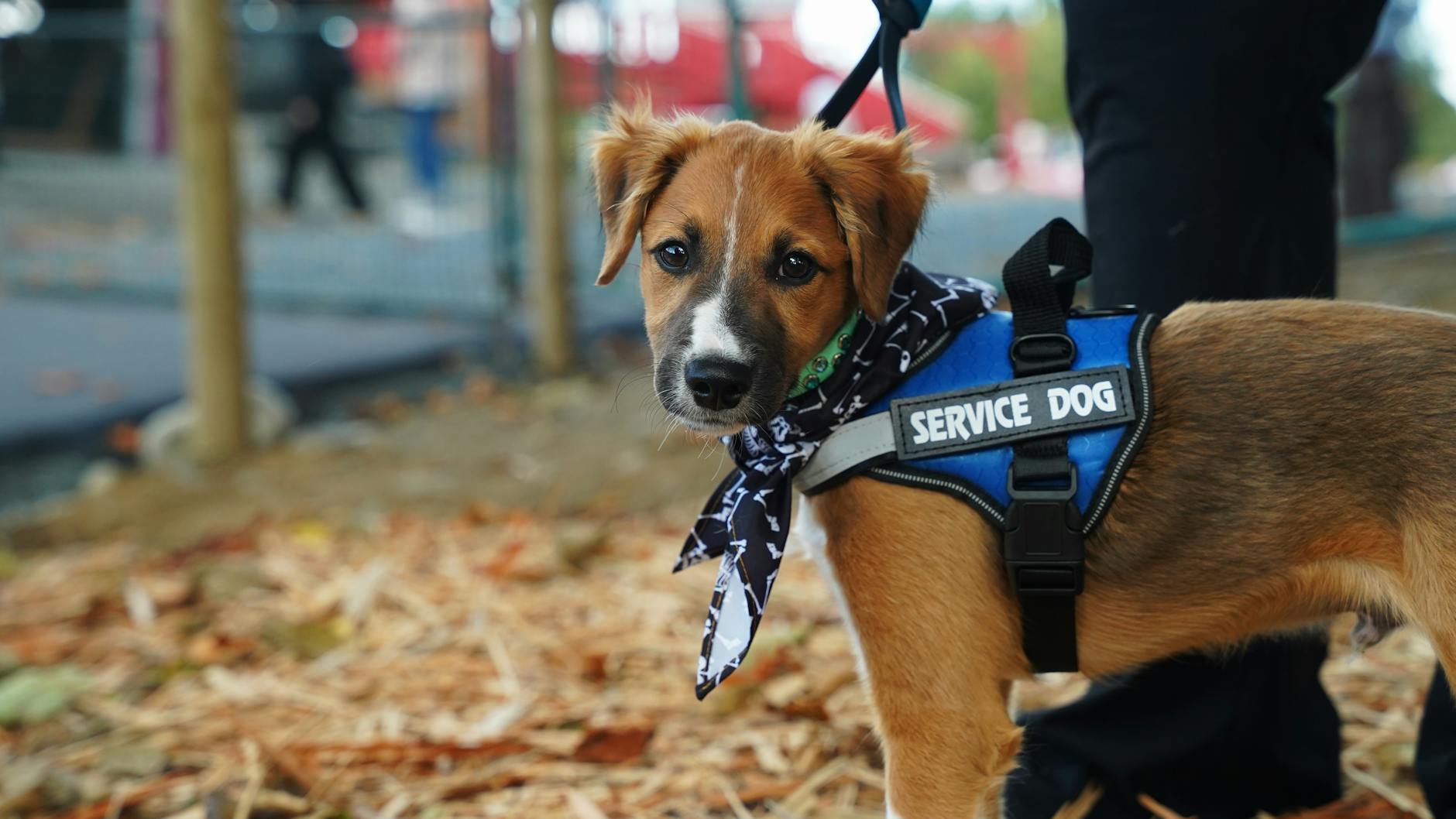
In recent years Fake Service Dogs have become a growing issue across North America. While legitimate service dogs are highly trained to assist individuals with disabilities many people are falsely labelling Untrained Pets as Service Dogs to gain access to public places. This trend creates serious problems for businesses the public and most importantly people who generally rely on properly trained service animals. True service dogs undergo extensive training to perform specific tasks such as guiding individuals who are blind , alerting to medical conditions , assisting with mobility , or responding to psychiatric disabilities , ect. They are trained to remain calm , focused , and unobtrusive in public settings. Fake service dogs , on the other hand often lack obedience training and may bark or lunge , have accidents indoors or behave aggressively. This not only disrupt businesses but can also pose safety risks.


One of the biggest consequences is the harm done to individuals with legitimate service dogs. When an untrained dog causes a disturbance , it can lead to increased scepticism and stricter scrutiny toward all service dog handlers. People with real disabilities may face uncomfortable questioning , denied access , or public judgement because of the behaviour of fake service animals. Additionally , poorly behaved fake service dogs can distract or even attack working service dogs , potentially ruining years of training. A single negative encounter can cause stress or setbacks for a highly skilled working dog. The solution starts with education. The public must understand the difference between service dogs , emotional support animals , and pets. Stronger enforcement of existing laws and greater awareness about responsible dog ownership are also key. Respecting the role of the legitimate service dogs protect not only businesses and communities but also the independence and dignity of the people who truly depend on them !